
Why the Home Buying Process Feels Harder Than You Ever Expected
Buying a home is often described as exciting, empowering, and a major life milestone. And while all of that can be true, many buyers are caught off guard by one big feeling along the way:
“This is way harder than I thought it would be.”
If you’ve found yourself overwhelmed, frustrated, or wondering why the process feels so heavy, you’re not alone. The modern home buying journey comes with layers of complexity that aren’t always obvious at the start.
Understanding why it feels so challenging can make the experience more manageable—and help you move forward with clarity and confidence.
The Emotional Weight Is Bigger Than Expected

One of the biggest surprises for buyers is how emotional the process becomes.
A home isn’t just a transaction. It represents safety, identity, stability, and future plans. Even buyers who consider themselves logical decision-makers can feel emotionally invested faster than expected.
Every showing feels like a possibility.
Every rejection feels personal.
On top of that, buyers are often navigating big life transitions at the same time—marriage, growing families, relocation, or career changes. When emotional pressure stacks on top of logistical decisions, the process can feel mentally exhausting.
Helpful mindset shift:
Emotional highs and lows are a normal part of buying a home. Feeling overwhelmed doesn’t mean you’re doing it wrong—it means you’re human.
Information Overload Makes Everything Feel Urgent

Today’s buyers have access to more information than ever before. While that sounds like a good thing, it often has the opposite effect.
Online listings, market headlines, social media advice, neighborhood stats, price estimates, and opinion-filled comment sections can create constant noise. Instead of clarity, buyers are left wondering which information actually matters.
This overload can create a false sense of urgency:
“Prices are going up—buy now.”
“Interest rates are changing—act fast.”
“This house won’t last—submit an offer tonight.”
When everything feels urgent, decision fatigue sets in quickly.
Helpful mindset shift:
Not all information deserves equal weight. Focus on what directly impacts your goals, budget comfort level, and lifestyle needs—and let the rest fade into the background.
The Market Moves Faster Than People Do
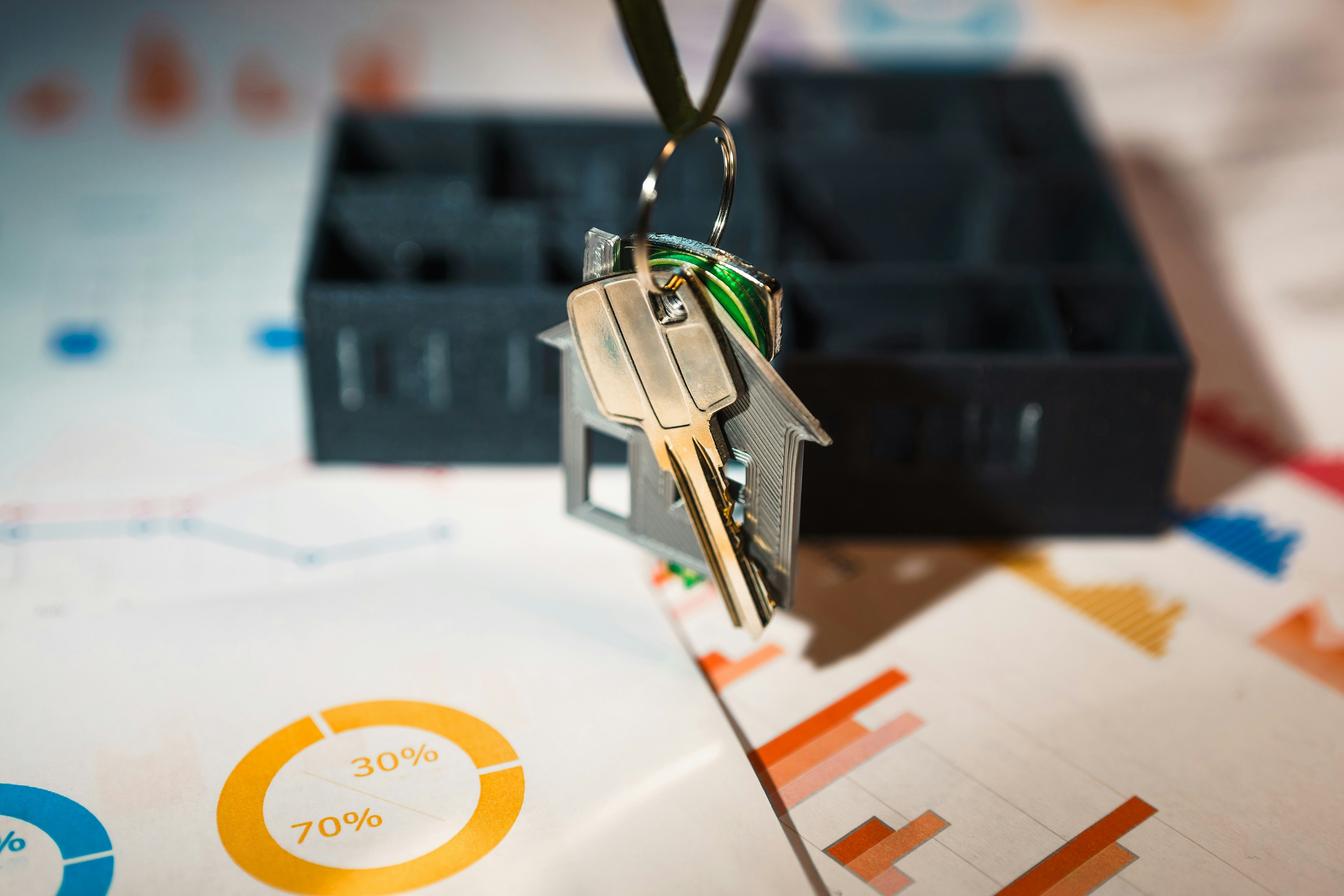
Many buyers expect the process to move at a pace that allows time to think, reflect, and feel confident. In reality, the housing market often moves faster than emotions can keep up.
Homes can be listed, shown, and accepted within days—or even hours. Buyers may feel pressure to make big decisions quickly, sometimes before they’ve fully processed how they feel about a home.
This speed mismatch creates stress, second-guessing, and fear of making the “wrong” choice.
Helpful mindset shift:
Preparation matters more than perfection. Knowing your priorities before touring homes helps you move with confidence when timing feels tight.
Expectations Don’t Always Match Reality

Many buyers start with a clear picture in mind:
A specific price range
A certain style of home
A preferred neighborhood
A comfortable timeline
Then reality shows up.
Maybe homes in your budget need more updates than expected. Maybe competition is stronger than anticipated. Maybe compromises are required sooner than planned.
When expectations collide with reality, disappointment can creep in—even when progress is being made.
Helpful mindset shift:
Buying a home isn’t about finding everything you want. It’s about finding the best possible fit within current conditions. Flexibility often leads to better outcomes than rigid expectations.
Decision Fatigue Is Real

The home buying process is filled with constant decisions:
Which homes to tour
What features matter most
How to compare options
When to move forward—or wait
Even small choices add up over time. After weeks or months of decision-making, mental fatigue can set in, making everything feel harder than it did at the beginning.
This fatigue can lead to:
Indecision
Overthinking
Emotional burnout
Wanting to “just be done”
Helpful mindset shift:
It’s okay to pause, reset, and regroup. Progress doesn’t always mean moving faster—it sometimes means giving yourself space to think clearly again.
Financial Conversations Feel Personal (Even When They’re Not)
Money plays a major role in buying a home, and for many people, financial conversations come with stress or discomfort.
Even when buyers are prepared, discussing numbers, limits, and trade-offs can feel deeply personal. This emotional relationship with money can make decisions feel heavier and more intimidating—especially when expectations need adjusting.
Helpful mindset shift:
Financial considerations aren’t a reflection of success or failure. They’re simply part of aligning a purchase with long-term comfort and stability.
Comparison Steals Confidence

It’s easy for buyers to compare themselves to others:
Friends who “found their dream home instantly”
Online stories of smooth, effortless purchases
Social media highlight reels that skip the messy parts
These comparisons create unnecessary pressure and self-doubt, making buyers feel behind or like they’re doing something wrong.
Helpful mindset shift:
Every buying journey is different. What you see publicly rarely reflects the full story. Your pace and experience are valid—even when they don’t look like someone else’s.
Why Understanding This Makes a Difference
When buyers understand why the process feels hard, they stop blaming themselves.
Awareness replaces frustration.
Clarity replaces confusion.
Confidence replaces self-doubt.
The home buying process isn’t just about finding a property—it’s about navigating emotions, information, expectations, and decisions all at once. That’s a lot for anyone.
A More Grounded Way Forward

If the home buying process feels harder than expected, take it as a sign to slow down, refocus, and give yourself credit.
Feeling challenged doesn’t mean you’re failing—it means you’re engaged in something meaningful.
A thoughtful next step:
Ask yourself what feels hardest right now. Is it the pace? The uncertainty? The emotional weight?
Identifying the source of stress helps you approach the next phase with more intention—and less pressure.
Final Thoughts

Buying a home is one of the most significant decisions many people make, and it’s completely normal for the process to feel more complex than anticipated.
With the right perspective, realistic expectations, and a focus on what truly matters to you, the experience can shift from overwhelming to empowering.
Whether you’re just starting or already deep in the process, remember this: clarity comes with time, and confidence grows with understanding. Stay grounded, keep learning, and don’t hesitate to lean into resources or conversations that help you feel supported along the way.
