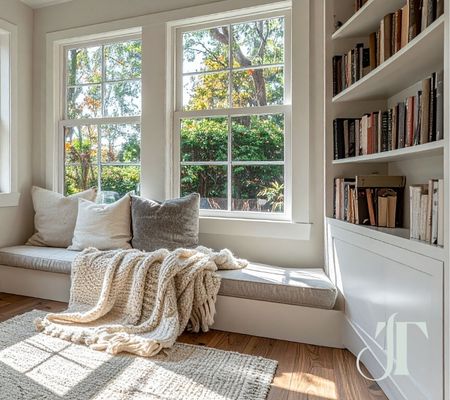
Why Staging Small Homes Matters
Staging isn’t just about decorating—it’s about creating a lifestyle buyers aspire to. In a small home, the challenge is showing buyers that the space is functional, versatile, and doesn’t feel cramped. Well-staged small homes often:
Appear larger and brighter than they actually are
Emphasize smart use of space and storage
Make it easier for buyers to imagine themselves living comfortably
Increase the perceived value of the property
When done right, staging can lead to faster offers and potentially higher selling prices. Let’s look at some practical hacks to maximize impact without breaking the bank.
1. Declutter and Depersonalize Aggressively
The first and most crucial step in staging any home—especially a small one—is removing clutter. Excess belongings make rooms feel tight and overwhelming.
Tips:
Pare down furniture. Keep only essential pieces that fit the scale of the room.
Remove personal items such as family photos, collections, and highly personalized décor.
Clear surfaces. Countertops, nightstands, and coffee tables should be mostly empty.
Organize storage spaces. Buyers often peek inside closets and cabinets.
Think of it as pre-packing for your move while making the home feel more spacious.
2. Maximize Natural Light
Light is one of the most effective ways to make a small home feel bigger. Buyers are naturally drawn to bright, airy spaces.
Tips:
Remove heavy curtains; swap them for sheer, light-filtering window treatments.
Clean windows thoroughly to let in more sunlight.
Add mirrors strategically to reflect light and visually double the room’s size.
Use consistent, light wall colors (white, beige, pale gray) for a cohesive feel.
If natural light is limited, supplement with layered lighting—table lamps, floor lamps, and under-cabinet lighting.
3. Choose the Right-Scale Furniture
Oversized furniture can make a small room feel even tinier. Instead, select pieces that complement the space.
Tips:
Opt for multi-functional furniture like storage ottomans, fold-out desks, or sleeper sofas.
Leave breathing room. Don’t push every piece against the wall—allow a bit of space to create the illusion of more room.
Keep pathways clear for easy movement.
Use glass or acrylic pieces to reduce visual clutter.
The goal is to show buyers that the home can comfortably accommodate daily living without feeling cramped.
4. Define Each Space Clearly
Open-concept or multi-use rooms can confuse buyers. Staging helps define each space.
Tips:
Create distinct zones using rugs, lighting, or furniture placement.
Show versatility, like a small corner staged as a reading nook or work-from-home area.
Highlight storage solutions such as built-in shelving or closet organizers.
Buyers should walk away knowing exactly how they could use every inch of the home.
5. Keep It Simple but Stylish
Minimalist styling works best for small homes. Overdecorating can make spaces feel busy.
Tips:
Use a cohesive color palette (2–3 neutral tones with pops of color).
Incorporate a few well-placed plants for freshness.
Choose scaled-down décor, smaller artwork, and accessories.
Avoid bulky rugs; use area rugs to define spaces.
Think “light, airy, and uncluttered” rather than “overdesigned.”
6. Pay Attention to the Entryway
First impressions matter, especially in a small home.
Tips:
Keep the entryway clear and tidy.
Add a mirror to make the area feel larger and reflect light.
Use a small console table or wall hooks for functionality.
A welcoming entrance helps buyers feel immediately at ease.
7. Highlight Outdoor Living Spaces
Even a small patio, balcony, or backyard can feel like an extra room if staged properly.
Tips:
Add a bistro set or compact seating for dining or relaxing.
Include potted plants or outdoor lighting to make the area inviting.
Keep it clean and maintained to enhance the property’s overall appeal.
Outdoor spaces increase perceived living space and value.
8. Freshen Up with Simple Updates
You don’t need a renovation to make a small home feel fresh.
Tips:
Apply a fresh coat of paint in light, neutral colors.
Replace outdated hardware like cabinet pulls, doorknobs, and light fixtures.
Deep clean everything—floors, grout, windows, and surfaces.
Small, cost-effective updates dramatically improve buyers’ perception of the home.
Final Touches: Engage the Senses
Create a warm and inviting atmosphere with small sensory details.
Tips:
Add soft textures with throw pillows, blankets, and rugs.
Use subtle scents from lightly scented candles or fresh flowers.
Play soft background music during showings to create a calming mood.
These touches help buyers feel emotionally connected, which can lead to stronger offers.
The Bottom Line
Staging a small home is about showcasing its best qualities, creating a sense of openness, and helping buyers see its full potential.
By decluttering, maximizing light, choosing the right furniture, and adding thoughtful details, even the smallest home can feel irresistible.
When buyers walk into a well-staged home, they shouldn’t think about square footage—they should think:
"This feels perfect for me."
Ready to stage your home for a quick, high-impact sale? Start with these hacks—or consult a local real estate professional for personalized guidance on preparing your space for the market.
