Why Real Estate Competition Isn’t Just About Price
When people think about competition in real estate, the first thing that usually comes to mind is price. Buyers assume the highest offer always wins, and sellers often believe listing at the highest possible number is the best strategy. But in reality, real estate competition is far more complex.
Whether you’re buying or selling, success in today’s market often comes down to more than just dollars. Timing, presentation, financing strength, flexibility, communication, and overall strategy can all play a major role in how a transaction unfolds. In many cases, the “best” offer isn’t the highest one—and the strongest listing isn’t always the most expensive.
Understanding how real estate competition really works can help buyers make smarter offers and sellers position their homes more effectively. Let’s break down why price is only one piece of the puzzle.
Strong Offers Are About More Than the Number
In a competitive market, buyers often focus on one thing: offering more money. While price certainly matters, sellers are usually looking at the full picture.
A strong offer includes confidence, clarity, and fewer obstacles. For example, a buyer offering slightly less but with solid financing and flexible closing terms may be more attractive than a higher offer filled with uncertainty.
Sellers want to know the deal will actually close. A high offer that falls apart during financing or inspection can cost both time and momentum.
Some important factors sellers consider include the following:
● Pre-approval strength
● Down payment size
● Financing type
● Inspection terms
● Closing timeline
● Appraisal flexibility
● Buyer communication and responsiveness
This is why experienced real estate agents often say, “The strongest offer isn’t always the highest offer.”
Presentation Creates Competition Before Price Does

For sellers, competition starts long before an offer hits the table. It begins with how the home is presented.
A well-prepared home creates stronger buyer interest, more showings, and better emotional connection. That often leads to stronger offers naturally—without needing to rely solely on aggressive pricing.
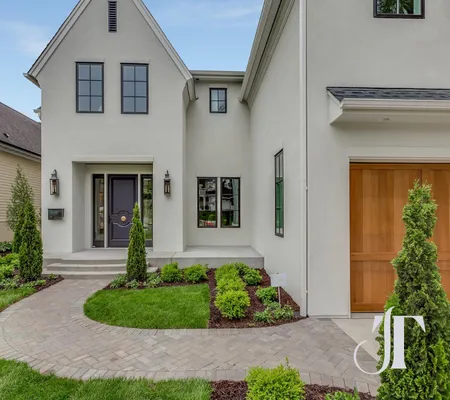
Professional photography, clean staging, curb appeal, and thoughtful repairs all shape how buyers perceive value. Two homes with similar square footage and similar pricing can perform very differently depending on presentation.
Buyers are often making emotional decisions alongside financial ones. If a home feels move-in ready and well cared for, they are more likely to compete for it.
This is why preparation matters so much in real estate marketing. Price gets attention, but presentation creates urgency.
Timing Can Shift the Entire Outcome
Timing is one of the most underrated parts of real estate competition.
Listing a home at the right time can significantly impact buyer activity. Seasonal demand, local inventory levels, school schedules, and even interest rate shifts can change how competitive the market feels.
For buyers, timing also affects leverage. Entering the market when inventory is low may mean stronger competition, while shopping during slower periods could create more negotiating power.
Even timing within the transaction matters.
For example:
● A seller who needs a quick close may prioritize speed over price
● A buyer who can offer flexible possession terms may stand out
● A well-timed offer submitted early may beat a delayed higher offer
Understanding market timing helps both buyers and sellers make smarter decisions without relying only on price increases.
Financing Strength Matters More Than Many Buyers Realize
Not all financing looks the same to sellers.
A buyer who is fully pre-approved and financially prepared often feels less risky than someone who is only pre-qualified or still sorting out lending details.
In competitive real estate markets, certainty matters. Sellers want confidence that financing won’t create delays or cause the deal to collapse.
Buyers can strengthen their position by:
● Working with a trusted mortgage professional early
● Understanding realistic monthly payment comfort
● Having clear documentation prepared
● Avoiding major financial changes during the process
Even when two offers are financially similar, the buyer who appears more prepared often has the advantage.
This is especially true in fast-moving markets where sellers are choosing between multiple offers quickly.
Communication Builds Confidence
Real estate competition is also about trust.
Smooth communication between agents, buyers, sellers, and lenders can make a major difference in how a transaction feels. Sellers often feel more comfortable accepting offers from buyers who seem organized, responsive, and serious.
A delayed response, unclear terms, or missing paperwork can weaken an offer—even if the price is strong.
For sellers, communication also impacts how listings perform. Clear showing instructions, fast feedback, and responsive negotiation help maintain momentum and buyer confidence.
In many cases, professionalism behind the scenes influences outcomes just as much as pricing strategy.
Real estate is not just a numbers game—it’s a people business.
Overpricing Can Actually Reduce Competition
One of the biggest mistakes sellers make is assuming a higher list price creates more room to negotiate.
In reality, overpricing often does the opposite.
When a home is priced too high, serious buyers may skip it entirely. They compare it to better-positioned homes nearby and move on before scheduling a showing.
As time passes, the listing becomes stale. Buyers begin to wonder what is wrong with the property, and negotiating power weakens.
A well-priced home often creates stronger competition because it attracts more attention early. Multiple interested buyers can create urgency that pushes value naturally.
Instead of asking, “How high can we list? ”Sellers often benefit more from asking, “How strong can we position this home? ”
That mindset shift changes everything.
Buyers Should Focus on Strategy, Not Panic
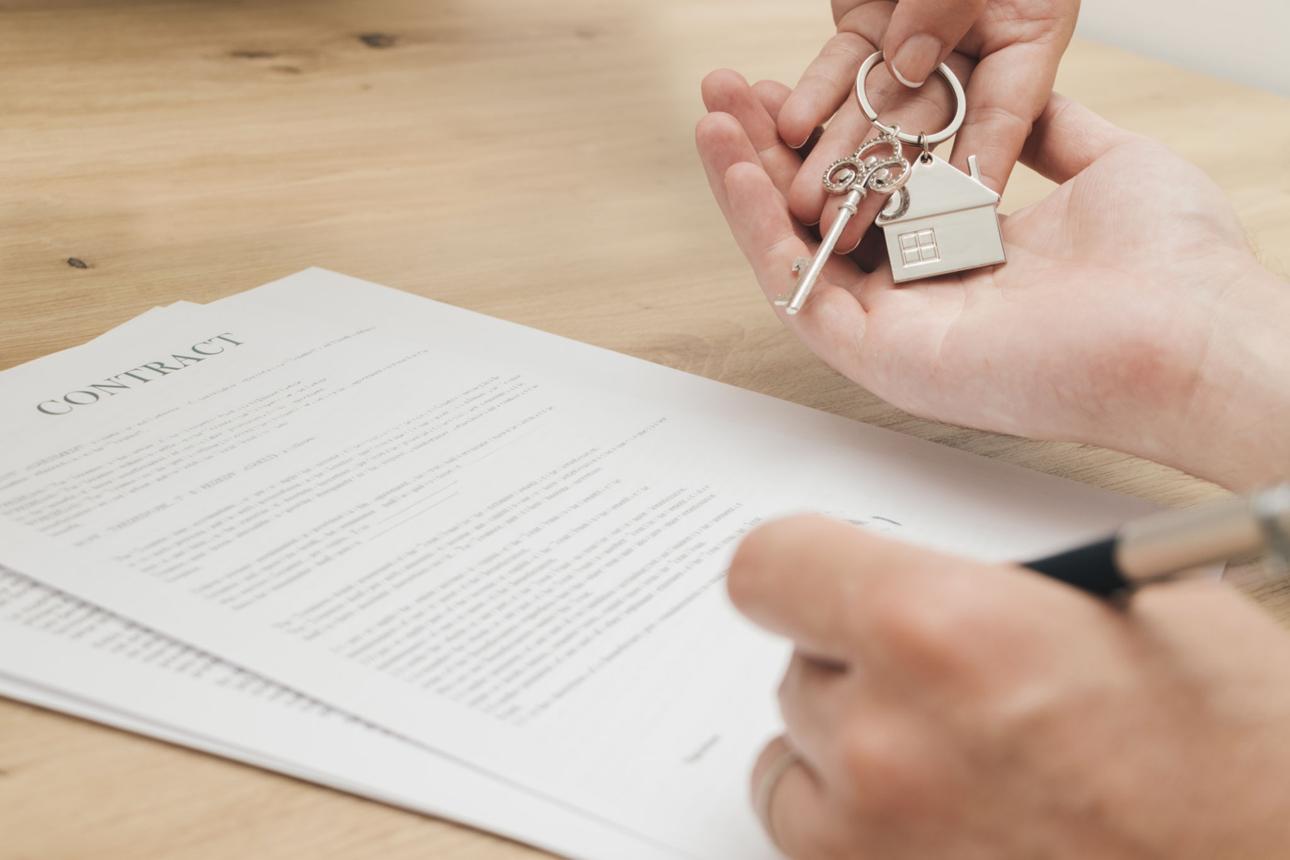
In competitive markets, buyers can easily fall into emotional decision-making. Fear of missing out leads to rushed offers, overextending budgets, or waiving important protections without understanding the risks.
A better approach is strategic confidence.
That means:
● Knowing your budget clearly
● Understanding your non-negotiables
● Acting quickly without acting blindly
● Working with professionals who explain the process clearly
Competition should not force panic. It should encourage preparation.
Buyers who understand the process often make stronger decisions than buyers who simply throw the highest number at every listing.
Real Estate Success Comes From the Full Picture
Price matters—but it is rarely the whole story.
In real estate, competition is built through preparation, presentation, timing, financing, flexibility, and communication. Buyers win by creating strong, reliable offers. Sellers succeed by positioning their homes to attract confidence and urgency.
The goal is not just to win the deal—it is to create the right deal.
Whether you’re preparing to buy your first home, planning to sell, or simply trying to understand your local market better, looking beyond price gives you a stronger advantage.
The smartest real estate decisions happen when strategy leads the conversation.
If you’re thinking about making a move, start by asking better questions—not just, “How much? ” but also “How strong is the overall position? ”That's where real success usually begins.
