What Prepared Home Buyers Do Differently
Buying a home is one of the biggest milestones many people work toward, but the process often feels overwhelming before it even begins. Between browsing listings, thinking about budgets, comparing neighborhoods, and trying to “time the market,” it’s easy to feel stuck before taking the first real step.
The difference between a stressful home buying experience and a smoother one often comes down to preparation.
Prepared home buyers don’t necessarily have bigger budgets or perfect timing—they simply approach the process with more clarity, strategy, and realistic expectations. They understand that buying a home is not just about finding the right property; it’s about making informed decisions before the search even starts.
If you’re thinking about buying a home, understanding what prepared buyers do differently can help you move forward with more confidence and fewer surprises.
They Understand Their True Budget
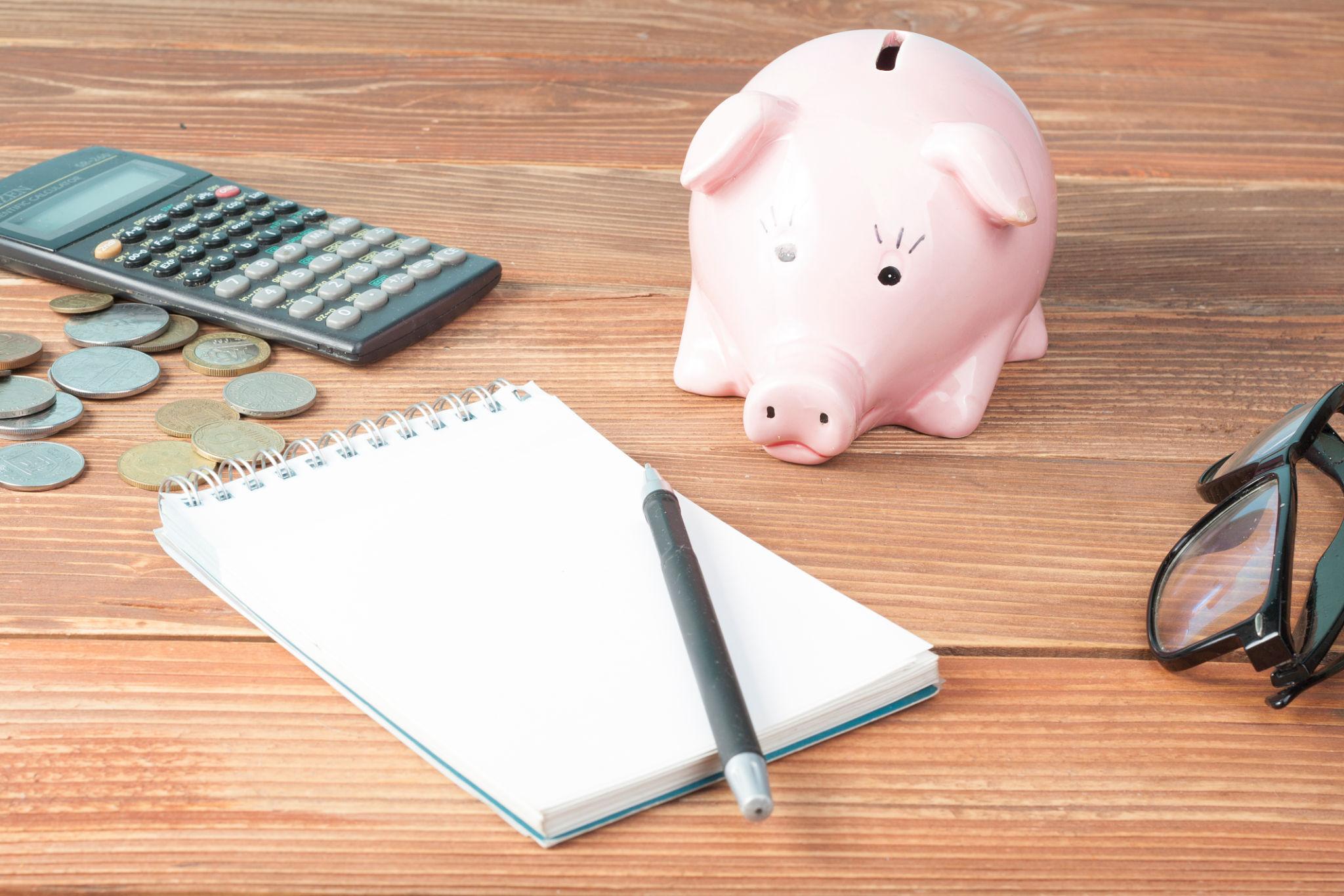
One of the biggest mistakes buyers make is focusing only on the maximum price they think they can afford rather than the monthly payment that feels comfortable for their lifestyle.
Prepared home buyers look beyond the listing price. They consider how homeownership fits into their day-to-day life, including utilities, maintenance, commuting costs, insurance, and future lifestyle goals.
Instead of asking, “What’s the most I can spend?” they ask, “What payment still allows me to live comfortably?”
This mindset helps buyers avoid stretching too far financially and creates a healthier long-term experience with homeownership. It also prevents emotional decisions during the home search when a dream home feels tempting but may not align with practical reality.
They Get Organized Early
Prepared buyers know that waiting until they find “the perfect house” to gather documents can slow everything down.
They take time early to organize important financial and personal records, review credit habits, and create a clearer picture of their readiness. Even simple steps like tracking monthly expenses or reducing unnecessary debt can make a major difference in confidence and preparation.
Being organized also helps buyers move faster when the right opportunity appears. In competitive markets, hesitation can mean missing out.
Preparation creates flexibility, and flexibility creates stronger decision-making.
They Research Neighborhoods, not just houses.
A beautiful home can lose its appeal quickly if the surrounding area doesn’t fit your lifestyle.
Prepared home buyers spend time learning about neighborhoods before falling in love with a specific property. They think about commute times, school districts, nearby amenities, walkability, future development, and how the area feels during different times of day.
They ask practical questions like:
● How long will my commute actually feel?
● Are grocery stores and daily essentials nearby?
● Does this neighborhood fit my long-term plans?
● Would I still love this location a few years from now?
Buying a home is also buying into a community, and prepared buyers know that matters just as much as square footage.
They Separate Needs From Wants
Scrolling online listings can make every upgraded kitchen and backyard pool feel essential, but prepared buyers take time to define what truly matters.
They create two separate lists:
● Non-negotiables (must-haves)
● Nice-to-haves (preferences)
Must-haves might include location, number of bedrooms, accessibility needs, or school zones. Nice-to-haves could be updated finishes, a large patio, or a home office.
This simple exercise helps prevent decision fatigue and keeps buyers focused when emotions run high.
Prepared buyers know that no home is perfect, but clarity helps them recognize the right fit faster.
They Ask Questions Early

Confusion creates hesitation, and hesitation can delay progress.
Prepared buyers are proactive about asking questions instead of assuming they’ll figure it out later. They want to understand timelines, expectations, common roadblocks, and how the process actually works.
They ask things like:
● What should happen before I start touring homes?
● How competitive is the current market?
● What costs should I be planning for?
● How long does the buying process usually take?
Asking early helps buyers avoid unnecessary stress later. It also builds confidence because decisions feel less intimidating when the process is familiar.
They Focus on Long-Term Value
Prepared buyers don’t only think about how a home looks today—they think about how it supports their future.
They consider questions like:
● Will this home still work for me in five years?
● Is there room for lifestyle changes?
● Does this home support future family plans?
● Could this location remain a good fit long-term?
This doesn’t mean buyers need a forever home right away, but thinking beyond the immediate excitement helps prevent short-term decisions that may create regret later.
Prepared buyers understand that homeownership is often a long-term investment in stability, not just a short-term purchase.
They Stay Flexible During the Process
Even the best-prepared buyers experience surprises.
A favorite listing may go pending overnight. Inspections may reveal unexpected issues. Negotiations may take unexpected turns. Market conditions may shift.
Prepared buyers understand that flexibility is part of the process. Instead of viewing every obstacle as failure, they stay focused on the bigger goal.
They know that patience often leads to better decisions.
Staying flexible also helps buyers avoid rushing into a home that doesn’t truly fit simply because they feel pressure to move quickly.
They Work With Trusted Professionals
Prepared buyers know they do not have to figure everything out alone.
They build a team of trusted professionals who can help explain the process, answer questions, and guide them through each stage. Having the right support creates clarity and reduces unnecessary stress.
The key is finding people who prioritize education and communication—not just transactions.
Buyers who feel informed tend to make stronger decisions because they understand their options rather than reacting emotionally in the moment.
The goal is not speed. The goal is confidence.
They Don’t Wait for “Perfect Timing”
Many buyers delay the process because they are waiting for the perfect market, the perfect rates, or the perfect life stage.
Prepared buyers understand that perfect timing rarely exists.
Instead, they focus on personal readiness.
If the numbers make sense, the goals are clear, and the timing fits their life, they move forward based on their situation—not headlines alone.
The market will always shift. Prepared buyers stay focused on what they can control rather than waiting indefinitely for perfect conditions that may never arrive.
Final Thoughts on Becoming a Prepared Home Buyer

The most successful home buyers are not always the ones with the biggest budgets or the fastest decisions—they are often the ones who prepared before the search even started.
They understand their budget, define their priorities, ask better questions, and stay focused on long-term value rather than short-term emotion.
Buying a home can feel complicated, but preparation creates clarity.
If you’re thinking about buying, start with the basics: understand your goals, organize your finances, and learn what matters most to you before you begin touring homes.
The more prepared you are before the search starts, the more confident you’ll feel when the right home finally appears.
Home buying is not about rushing—it’s about moving forward with intention.
