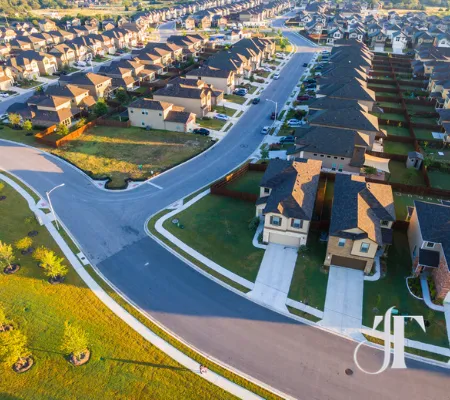
New vs Resale Homes in Pearland: Key Comparisons
Real Estate, Pearland New Construction vs Resale
Pearland buyers can choose between shiny new builds in growing communities and resale homes in established neighborhoods. The best fit is rarely about list price alone. It’s about total monthly cost, location, condition, timing, and the fine print in each contract. Here’s how to compare Pearland new construction vs resale homes side by side so you can move forward with clarity.
New Construction vs. Resale in Pearland
Compare total cost, timing, and neighborhood fit before you decide
Start with the full monthly cost, not just the price tag
Whether you’re eyeing a quick move-in home in Massey Oaks or a resale near Shadow Creek Ranch, begin your comparison with the total monthly cost. Ask your lender for a payment estimate on each specific property using:
Purchase price and your proposed down payment and loan program
Estimated property taxes and homeowner’s insurance for that address
HOA dues, special assessments, and any MUD-related charges
Expected utilities and routine maintenance based on the home’s age and size
Pearland homes can fall under different taxing entities, and some are located in Municipal Utility Districts (MUDs). A MUD and an HOA are separate organizations, and a home may have one, both, or neither. The City of Pearland publishes water and sewer rates and MUD surcharges, but you should verify the current tax records and entities for the exact parcel you’re considering.
As of the city’s FY 2026 rates, a typical 5/8" meter inside city limits carries a base water and sewer charge of about $58.88 per month, plus usage, and a MUD surcharge of about $5 per month if applicable (pearlandtx.gov). HOA dues can add another $75–$175 per month in many master-planned communities, with some higher-end neighborhoods averaging even more (MoveMeToTX).
📌 Key Takeaway: Use the seller’s current tax bill or builder’s advertised payment only as background. Ask your lender for a property-specific estimate based on your exemptions, loan terms, and today’s tax rates.
Builder incentives vs. resale price reductions: how to read the fine print
In Pearland’s active new-home market—where communities like Alexander 65' Homesites, Arcadian Estates, and Massey Oaks are offering quick move-in homes and frequent price cuts—builder incentives are common. You might see offers for closing cost credits, rate buydowns, or “free” upgrades. Resale sellers, on the other hand, may simply reduce the asking price or contribute toward your closing costs.
Before you assume an incentive beats a resale discount, ask for the terms in writing and clarify:
Which homes or lots qualify? Is the offer limited to certain inventory or closing dates?
Do you have to use a specific lender or title company? What happens if you change financing?
Which upgrades are truly included? Are the finishes you saw in the model part of the quoted price, or extra?
How does the incentive affect cash to close and your payment over time? A rate buydown may save more long-term than a small price cut—or vice versa.
Then, have your lender compare complete loan estimates for the incentivized new home and the resale property. A lower initial payment is not always the better long-term choice, and a resale home may already include thousands of dollars in landscaping, appliances, and window coverings that you would pay for later in a new build.
💡 Pro Tip: Don’t compare incentives to the model home. Compare what you will actually receive at closing to the resale home you can walk through today.
Comparing Pearland neighborhoods: location, HOAs, and amenities
When you compare Pearland new construction vs resale, the neighborhood can matter as much as the house. Visit each community with your normal routine in mind. Test the commute at the time you would actually travel. A home that’s a mile closer on the map may still involve a more congested route or fewer access points to the highways you use most.
Next, review the HOA documents for each address—both new and established communities. For each, find out:
Annual or monthly dues and how often they can increase
Rules on parking, exterior changes, fencing, and short-term rentals
Included amenities (pools, trails, lakes, fitness centers) and any separate usage fees
Maintenance responsibilities and the process for special assessments
If schools are part of your decision, verify the current district and campus assignments for each exact address through the appropriate district’s website. A Pearland mailing address, city boundary, and school-district boundary are not interchangeable, and new construction areas can shift zoning over time.
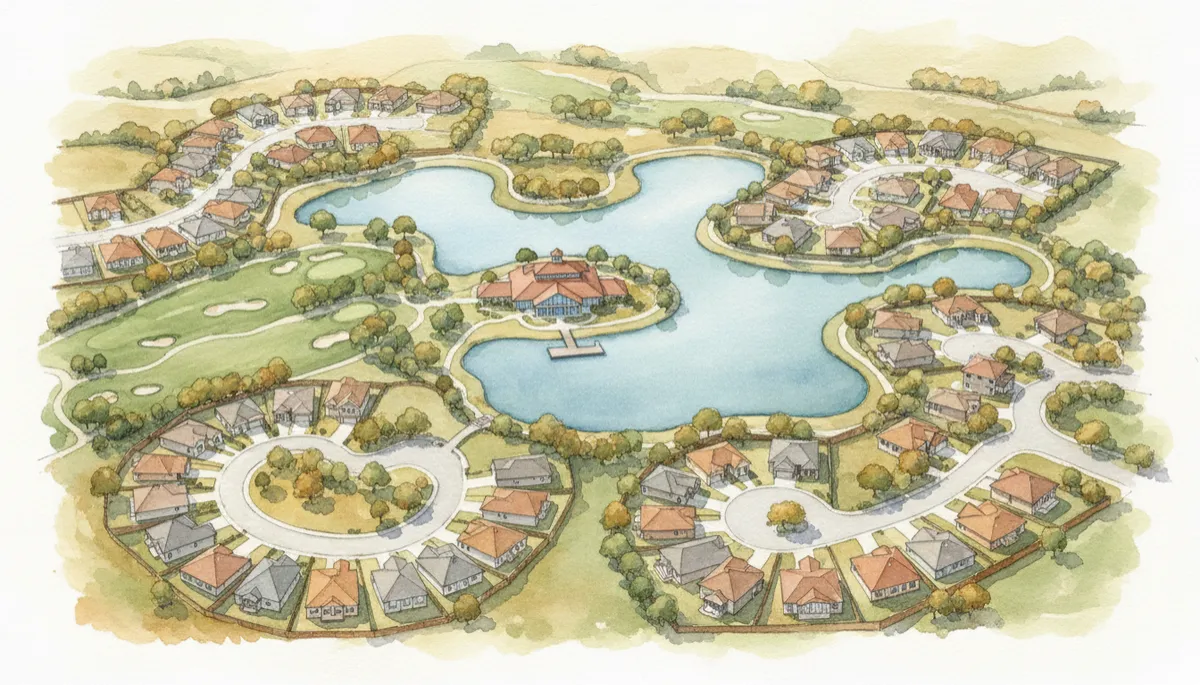
HOA dues and amenities can vary widely between Pearland neighborhoods, even at similar prices.
What to check in a new Pearland home: specs, inspections, and permits
New construction can feel straightforward, but each home still needs careful review. Ask the builder for the site plan and final specifications. Confirm in writing:
Included finishes, appliances, lighting, and flooring—not just “builder standard”
Landscaping, irrigation, fencing, and exterior features that will be complete at closing
Allowances for design-center selections and what happens if you go over budget
Pearland’s Permits and Inspections Division oversees construction and development within city limits. When a community is advertised as being “in Pearland,” confirm the actual jurisdiction and governing entities for that specific lot, especially near city boundaries or in areas served by MUDs or county agencies.
Before you sign a builder contract, discuss independent inspection access. Ask which stages can be inspected (such as pre-pour, framing, and final), how to schedule them, and how the builder will handle any findings. Even a brand-new home needs a property-specific review of its flood map, lot drainage, and insurance options.
💡 Pro Tip: Treat the builder’s warranty as a safety net, not a substitute for inspections. It’s easier to address issues before you move in than after.
What to check in a resale Pearland home: disclosures, condition, and future costs
For resale homes, your comparison starts with the seller’s disclosure. Review it carefully and ask follow-up questions about:
Past or current leaks, foundation movement, and drainage or flooding history
Age and service history of the roof, HVAC, water heater, and major systems
Permitted vs. unpermitted additions or conversions, if any
A qualified inspector can help you understand the home’s visible condition and flag areas that may need a specialist’s evaluation. Also look at what’s already included: established landscaping, window coverings, appliances, or completed upgrades can significantly reduce what you’ll spend after closing. Conversely, an older roof or aging HVAC system may require near-term replacement, so it’s wise to request estimates when a potential expense could change your decision.
Review the survey and HOA documents (when applicable), and confirm which fixtures and appliances are included in the sale. Then compare the resale home you can inspect today with the new home described in the builder’s final specifications. One may have higher upfront costs but lower near-term maintenance; the other may offer a lower price but more upcoming projects.
Timing and closing: move-in dates for new construction vs resale
Timing is another key difference in the Pearland new construction vs resale decision. As of late 2026, local data show that many resale homes go under contract in roughly 23–39 days and close in about another month, depending on pricing and condition (Redfin; Zillow). Properly priced resale listings often move quickly, while overpriced homes may linger and require price adjustments.
For new construction, ask the builder to explain the completion and closing process in writing. Clarify:
How construction milestones are scheduled and how delays are communicated
When you can walk the home and have independent inspections performed
How unfinished items will be documented and what must be complete before closing
If you have a lease end date or a loan rate lock, talk with your lender about how a construction delay could affect your financing. For a resale home, confirm the seller’s proposed closing and possession dates in the contract instead of assuming it will always be available sooner than a new build.
A side-by-side Pearland home comparison: new construction vs resale
What to compare | New construction | Resale |
|---|---|---|
Move-in timing | Review completion terms, potential delays, and quick move-in options. | Confirm closing and possession dates; typical timelines around 30–60 days. |
What is included | Get final specs, upgrade list, and landscape/fence details in writing. | Confirm fixtures, appliances, and negotiated items in the contract. |
Condition and inspections | Arrange permitted independent inspections at key construction stages. | Inspect existing systems; seek specialist follow-up where needed. |
Ongoing costs | Verify taxes, MUD, HOA, insurance, utilities, and new-home maintenance. | Verify the same costs; don’t rely on the current owner’s exemptions. |
Location and commute | Test the commute from the actual site; review future development plans. | Test the same routes; consider mature trees, parks, and nearby services. |
Key documents | Builder contract, plans, specs, warranty, HOA materials, and MUD info. | Purchase contract, disclosures, survey, HOA materials, and tax records. |
📌 Key Takeaway: The most useful version of this table includes two real addresses and written numbers. That’s when builder incentives, existing improvements, repair needs, and ongoing costs become easy to compare.
Quick answers to common Pearland new construction vs resale questions
Does every new Pearland home have a MUD tax? No. MUD status depends on the property. Check the applicable map and current tax records for the exact address instead of assuming all new communities include a MUD.
Is a builder incentive better than a resale price reduction? It depends on the written terms and your financing. Compare cash due at closing, loan estimates, total price, and cost over time with your lender.
Should I inspect new construction? Yes. Ask what independent inspections the contract permits, when they can take place, and how the builder handles findings before you sign.
Do all Pearland homes share the same HOA or school district? No. Each association and district has its own boundaries and rules. Review HOA documents and confirm school information by address with the appropriate district.
Will I pay the same property taxes as the current owner? Not necessarily. Exemptions and taxable values can change after a sale. Ask for a property-specific tax estimate based on current entities and your circumstances.
Choosing your next Pearland home with confidence
New construction and resale homes in Pearland each offer real advantages. A newly built home may deliver modern layouts, warranties, and incentives. A resale home may provide mature trees, established amenities, and upgrades you won’t need to replicate. The best choice is the one that aligns with your total monthly budget, timing, neighborhood priorities, and risk comfort.
Comparing a Pearland new build with a resale home? Connect with Jen to review the full costs, documents, and deadlines for both properties so you can move forward with a clear, side-by-side picture of your options.
