
7 Hidden Costs of Buying a Home in Houston
Real Estate, Home Buying, Houston
Buying a Home in Houston: 7 Costs Beyond the Mortgage
When you're buying a home in Houston, the mortgage payment is only one part of the financial picture. Before making an offer, it helps to look beyond the asking price and calculate the total cost of ownership so you can decide whether a specific property truly fits your budget.
A home's purchase price may be the first number you notice online, but it doesn't necessarily tell you what that home will actually cost to own every month.
Property taxes, homeowners insurance, flood considerations, HOA fees, Municipal Utility District taxes, closing expenses, inspections, utilities, and ongoing maintenance can all affect your budget.
This matters because two Houston-area properties with similar list prices can have surprisingly different monthly carrying costs.
Before making an offer, it helps to look beyond the asking price and calculate the total cost of ownership.
Here are seven major expenses Houston buyers should understand.
1. Houston Property Taxes
Property taxes can make a significant difference in the cost of owning a home in the Houston area.
Unlike places where buyers may expect one relatively uniform tax rate, Houston-area properties can fall under different combinations of taxing authorities.
Depending on the specific address, a property may be taxed by entities such as:
County
City
School district
Municipal Utility District
Emergency service district
Other special-purpose districts
Because of this, you shouldn't automatically assume that two homes with the same asking price will have similar tax bills.
For example, one property may be located within Houston city limits while another may have a Houston mailing address but fall within a different municipality or special district.
The most useful approach is to research taxes by specific property address.
Why Property Taxes Matter to Your Mortgage Payment
If your lender collects property taxes through escrow, your estimated tax expense becomes part of your monthly housing payment.
That means even if two properties have identical mortgage principal and interest amounts, the total monthly payments may differ.
Before making an offer, ask for an estimate using the taxing entities applicable to the home you're considering.
Also remember that the seller's current tax bill may not perfectly represent what you will pay in the future. Exemptions, assessed value, ownership changes, and future tax rates can affect the amount.
2. MUD Taxes and Special Districts
One term Houston-area buyers frequently encounter is MUD.
MUD stands for Municipal Utility District.
These districts are commonly used in parts of the Houston metropolitan area to help provide infrastructure and services such as water, wastewater, and drainage.
Depending on the district, the MUD may levy property taxes or charge other fees.
Do All Houston Homes Have MUD Taxes?
No.
MUDs are much more common in certain suburban and master-planned areas than in established central Houston neighborhoods.
This is another reason buyers should not rely on general assumptions.
If you're comparing homes in Houston, Pearland, Katy, Cypress, Sugar Land, Richmond, Fulshear, or other surrounding areas, verify whether each property falls within a MUD or another special district.
Why MUD Taxes Matter
Imagine you are comparing two homes priced at $450,000.
The homes may look similar on paper, but one could have:
A different overall tax rate
A MUD assessment
Higher HOA dues
Different insurance expenses
The monthly ownership cost could therefore be different even though the purchase prices are the same.
Understanding the tax structure before making an offer gives you a more realistic view of affordability.
3. Homeowners Insurance
Insurance has become an increasingly important part of the home-buying conversation in Houston.
Homeowners insurance costs are not identical for every property.
Factors that may affect the premium include:
Home age
Roof age and condition
Construction type
Location
Coverage limits
Deductibles
Prior claims
Replacement cost
Insurance company's underwriting requirements
This means you shouldn't rely solely on what someone else pays for insurance in the same neighborhood.
Get an Insurance Quote Early
Whenever possible, begin discussing insurance before you're deep into the transaction.
Having a preliminary quote can help you determine whether the property still fits comfortably within your monthly budget.
This is particularly useful if you are comparing an older home with a newer property or evaluating homes in different parts of Greater Houston.
4. Flood Insurance and Flood Research
Flooding is a topic Houston buyers should research carefully, but it is important not to make assumptions about an entire neighborhood.
Flood risk can vary property by property.
Even homes located relatively close together may have different elevations, drainage conditions, flood histories, or map designations.
What Should Houston Buyers Research?
When evaluating a property, consider reviewing:
Current flood maps
Seller disclosures
Available property flood history
Drainage conditions
Elevation information where appropriate
Insurance requirements
Flood insurance options
A lender may require flood insurance depending on the property and financing.
Even when coverage isn't required, buyers can still speak with an insurance professional about available coverage and potential risk.
Don't Rely on One Piece of Information
A flood-zone designation is useful, but it should not necessarily be the only information you review.
Property history and local drainage characteristics can provide additional context.
Ask questions before you become emotionally committed to a property.
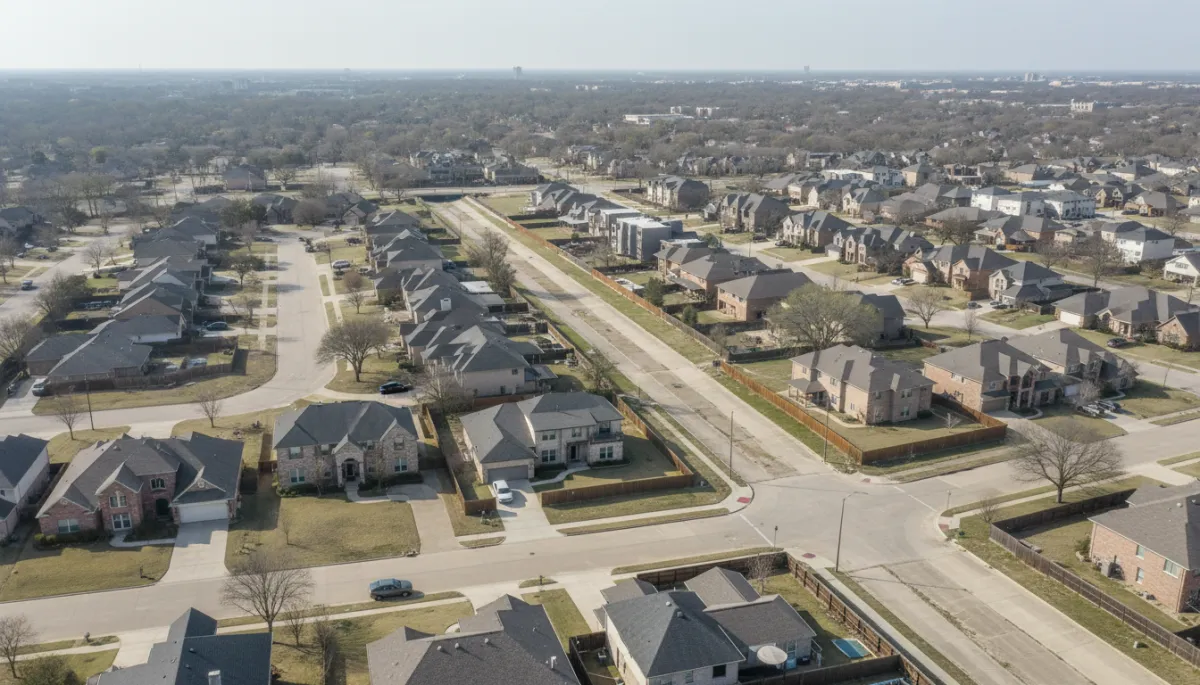
Two similar homes can face very different flood and maintenance risks.
5. Home Inspection Costs
A professional home inspection is another expense worth including in your buying budget.
An inspector examines the accessible systems and components of the home and provides a report regarding the property's observed condition.
Depending on the property, buyers may also choose additional specialized evaluations.
These can include:
Foundation inspection
Sewer line inspection
Pool inspection
Roof evaluation
HVAC evaluation
Electrical evaluation
Plumbing evaluation
Termite or wood-destroying insect inspection
Not every property will need every type of inspection.
The home's age, condition, construction, and visible concerns can help determine what may be appropriate.
What About New Construction?
A newly built home is still a home.
Some buyers choose to hire an independent inspector even when purchasing new construction.
An inspection can provide another set of eyes during the construction or completion process.
6. Closing Costs and Cash to Close
One of the most common misconceptions among first-time buyers is that the down payment is the only large amount of cash needed at closing.
It isn't.
The total amount needed to complete the purchase may include your:
Down payment
Lender charges
Appraisal expense
Title-related costs
Prepaid interest
Homeowners insurance
Initial escrow funding
Other transaction expenses
The exact numbers depend on the loan, transaction, and property.
Down Payment vs. Closing Costs
Your down payment reduces the amount you are financing.
Your closing costs are expenses associated with completing the transaction and obtaining financing.
They are separate categories.
This is why buyers should ask their lender about their expected cash to close, rather than focusing only on the minimum down payment.
7. HOA Fees and Ongoing Ownership Costs
The bills don't stop once you get the keys.
Depending on the property, you may also have recurring expenses such as:
HOA dues
Condominium association fees
Electricity
Water
Gas
Landscaping
Pool maintenance
Pest control
Repairs
Appliance replacement
HVAC maintenance
Roof maintenance
Don't Judge an HOA Fee Without Understanding It
This is particularly important when comparing condominiums and townhomes.
One property may have a higher monthly association fee but include expenses that another owner pays separately.
For example, certain associations may include some combination of:
Water
Trash
Exterior maintenance
Common-area maintenance
Landscaping
Building insurance
Amenities
Always review exactly what is included.
The monthly number alone doesn't tell the whole story.
How Do You Compare the True Cost of Two Houston Homes?
A better comparison looks something like this:
Property A
Purchase price
Estimated mortgage
Property taxes
Insurance
HOA
MUD or special district expenses
Expected maintenance
Property B
Purchase price
Estimated mortgage
Property taxes
Insurance
HOA
MUD or special district expenses
Expected maintenance
Once everything is placed side by side, the financial difference can become much clearer.
Questions to Ask Before Making an Offer
Before making an offer on a Houston property, consider asking:
What taxing entities apply to this address?
Is the property located within a MUD?
What are the current HOA dues?
What do those HOA dues include?
What does the seller disclose about previous flooding?
What does my insurer estimate for coverage?
How old are the roof and major mechanical systems?
Are there obvious upcoming maintenance expenses?
How much cash should I expect to bring to closing?
What would my estimated total monthly housing payment be?
These questions can help you move from simply asking, “Can I afford the sales price?” to asking the more useful question:
“Does the total cost of owning this particular home fit my budget?”
Frequently Asked Questions About Buying a Home in Houston
How much money do I need to buy a home in Houston?
It depends on the purchase price, financing, down payment, closing costs, taxes, insurance, and other property-specific expenses. Your lender can prepare an estimate based on your loan program.
Are Houston property taxes the same everywhere?
No. Property taxes vary depending on the taxing entities associated with the specific address.
What is a MUD tax?
A Municipal Utility District can provide infrastructure and utility-related services and may levy taxes within its boundaries.
Does every Houston house require flood insurance?
No. Requirements can depend on the property's flood designation, lender, financing, and insurance circumstances.
Should I have a home inspection?
Many buyers choose to have an independent inspection so they can better understand the home's condition before completing the purchase.
Are HOA fees included in the mortgage?
HOA fees are typically a separate ownership expense, although buyers should confirm the exact payment arrangement for the property.
What are closing costs?
Closing costs are transaction and financing expenses separate from the home's down payment.
What's the best way to determine whether I can afford a Houston home?
Look at the estimated total monthly housing cost, including mortgage principal and interest, taxes, insurance, HOA dues, and other property-specific expenses.
Buying a Home in Houston?
Houston offers an enormous range of properties, from established neighborhoods inside the Loop to newer communities throughout the metropolitan area.
That variety also means buyers shouldn't evaluate homes based on asking price alone.
Taxes, insurance, HOA obligations, MUDs, property condition, flood considerations, and location can change the financial picture quickly.
Jen Tran, REALTOR® and Broker Associate with Keller Williams Memorial, can help you compare Houston-area homes beyond the list price and understand the property-specific details that matter before you make an offer.
