
Early Warning Signs a Home Purchase May Not Close
Buying a home is often described as one of life's biggest milestones. From accepted offers to inspection appointments and mortgage paperwork, the process can move quickly—and emotionally. But even after a seller accepts an offer, there's still a long path between "under contract" and "closed."
Many buyers and sellers are surprised to learn how often real estate transactions fall apart before the final signatures are complete. While some issues appear suddenly, others show warning signs weeks before the deal officially collapses.
Recognizing those signs early can help buyers, sellers, and real estate professionals prepare, communicate more effectively, and avoid unnecessary stress.
Whether you're purchasing your first home or preparing to sell, understanding the early warning signs a home purchase may not close can help you navigate the process with more confidence and realistic expectations.
Why Some Home Purchases Fall Through
A home purchase involves multiple moving parts happening simultaneously. Financing, inspections, appraisals, title work, insurance, negotiations, and deadlines all need to align for the transaction to successfully close.
Because so many people and processes are involved, delays or complications in one area can quickly affect the entire deal.
While not every issue leads to a failed transaction, certain patterns can indicate that the purchase may be heading toward trouble.
Repeated Financing Delays

One of the most common warning signs in a real estate transaction is ongoing financing delays.
Mortgage approvals involve extensive documentation and verification. Buyers may need to provide updated bank statements, employment records, tax returns, or explanations for financial activity.
Potential signs include:
Missed financing contingency deadlines
Delayed loan updates from the lender
Buyers struggling to provide requested documents
Sudden changes in employment or income
Large unexplained bank transactions
Sometimes buyers underestimate how detailed the mortgage process can be. Other times, changes in financial circumstances happen during escrow, which can slow things down significantly.
For sellers, a lack of consistent communication about financing progress may signal the need for closer attention to the timeline.
Inspection Issues That Trigger Major Negotiations

Home inspections are designed to uncover potential concerns with the property.
Warning signs may include:
Buyers requesting extensive repairs
Multiple specialist inspections being ordered
Long negotiation periods after inspection reports
Emotional reactions to repair findings
Buyers suddenly becoming hesitant or distant
Large repair requests can create tension between buyers and sellers, especially in competitive markets where expectations may not align.
Discovering foundation concerns, roof damage, plumbing issues, or outdated electrical systems can sometimes cause buyers to reconsider the purchase altogether.
While inspection negotiations are common, prolonged disagreements may indicate the transaction is becoming unstable.
The Appraisal Comes in Lower Than Expected
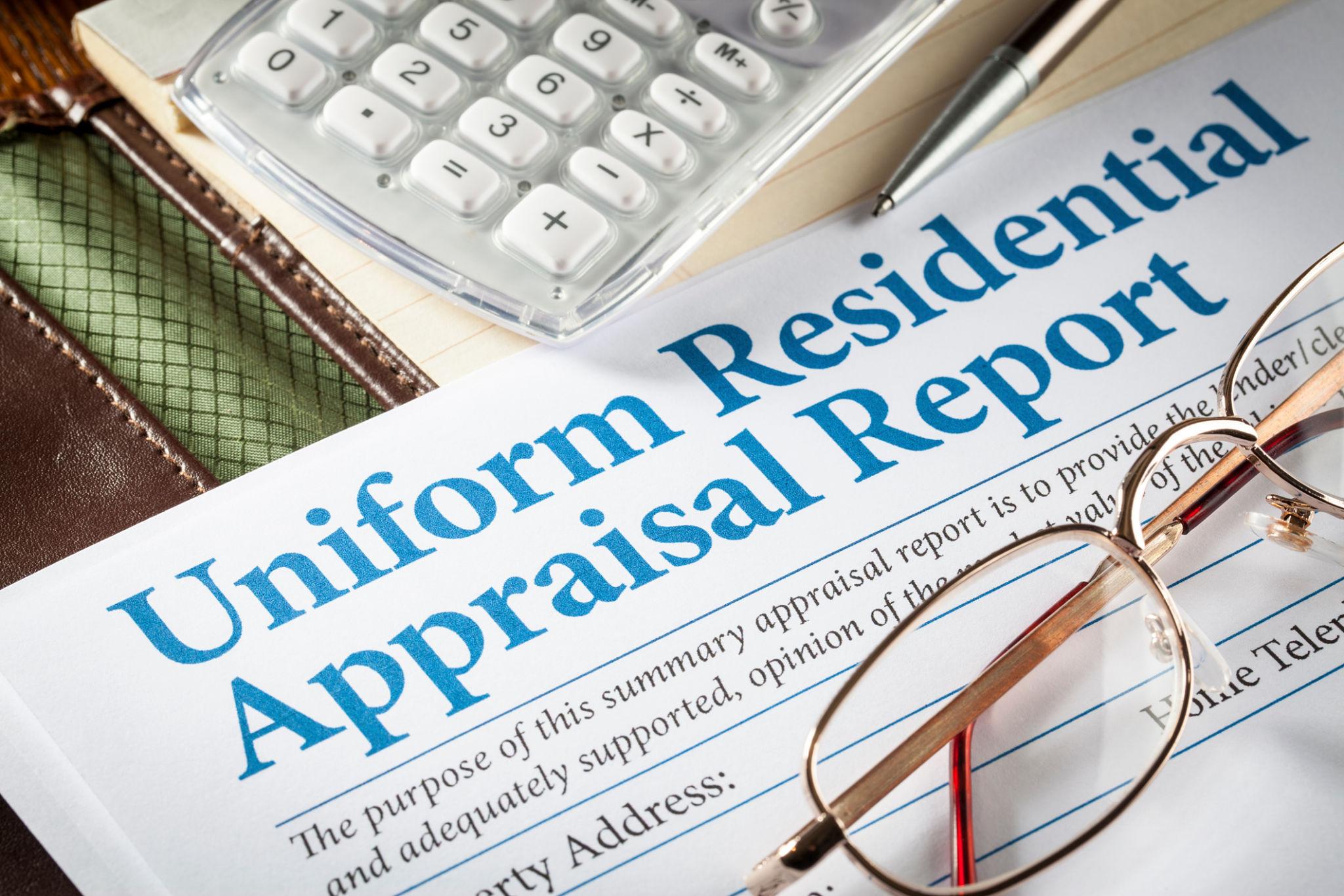
A low appraisal can create major challenges during a home purchase, particularly when financing is involved.
Potential red flags include:
Comparable sales supporting lower pricing
Rapid price increases in the neighborhood
Buyers offering significantly over asking price
Sellers refusing to negotiate after a low appraisal
Financing gaps buyers may not be prepared to cover
In some cases, buyers may decide not to move forward if they feel the home is overpriced relative to the appraisal.
Low appraisals don't always kill deals, but they often introduce new stress, uncertainty, and negotiation challenges.
Poor Communication Between Parties
Consistent communication is one of the clearest indicators of a healthy transaction.
Examples include:
Delayed responses from buyers or sellers
Lenders providing vague status updates
Missed contract deadlines
Agents struggling to coordinate next steps
Last-minute scheduling conflicts
A home purchase involves coordination between buyers, sellers, agents, lenders, inspectors, escrow officers, and title companies.
While occasional delays happen in any transaction, persistent communication problems often point to larger issues behind the scenes.
Buyers Begin Second-Guessing the Purchase
Home buying is emotional. Even excited buyers can experience moments of uncertainty during escrow.
Possible warning signs include:
Buyers revisiting multiple homes after going under contract
Increased hesitation during negotiations
Frequent concerns about pricing or monthly costs
Delayed decision-making
Expressions of "cold feet"
Sometimes buyers simply feel overwhelmed by the size of the commitment. Other times, outside influences such as family opinions, market headlines, or financial concerns can increase anxiety during the process.
This is especially common among first-time homebuyers.
Title or Documentation Problems
Title and escrow issues can quietly delay or derail a transaction if discovered late in the process.
These problems may include:
Unresolved liens
Ownership disputes
Incorrect property records
Boundary concerns
Missing legal documents
Most title issues are identified and resolved during escrow, but some take longer than expected to correct.
If documentation problems continue without clear resolution timelines, uncertainty about closing can increase.
Significant Changes in Market Conditions
Real estate markets can shift quickly.
For example:
Rising mortgage rates may affect affordability
Buyers may find competing homes at lower prices
Economic concerns may cause buyers to pause large purchases
Sellers may become unrealistic about pricing expectations
When market conditions change rapidly, some buyers begin reevaluating their decisions before closing.
This doesn't always mean the transaction will fail, but it can increase negotiation pressure and hesitation.
Missed Deadlines and Extension Requests
Deadlines exist throughout the home-buying process for a reason.
Potential concerns include:
Multiple contingency extensions
Delayed appraisal scheduling
Financing approvals taking longer than expected
Last-minute requests for additional time
Escrow timelines continually shifting
The more a transaction drifts from its original schedule, the greater the likelihood that complications may continue to emerge.
How Buyers and Sellers Can Stay Proactive
Even when warning signs appear, many transactions still successfully close.
Helpful practices include:
Responding quickly to requests and deadlines
Maintaining open communication with all parties
Staying realistic during negotiations
Preparing for possible delays
Avoiding major financial changes during escrow
Asking questions early instead of waiting
Buyers and sellers who remain flexible and solution-focused are often better equipped to navigate challenges as they arise.
Final Thoughts on Recognizing Early Warning Signs

A home purchase rarely moves from contract to closing without at least a few bumps along the way. Delays, negotiations, and unexpected issues are a normal part of many real estate transactions.
However, recognizing early warning signs can help buyers and sellers better understand when a deal may require extra attention.
Financing delays, inspection conflicts, communication breakdowns, appraisal concerns, and missed deadlines can all signal potential trouble before the closing date arrives.
The home-buying process is rarely just about paperwork—it's about timing, coordination, preparation, and communication.
If you're preparing to buy or sell a home, exploring more real estate education and market insights can help you feel more confident throughout every stage of the process.
